Welcome Message
49th JSTCT Annual Meeting (JSTCT2027) Japanese Society for Transplantation
and Cellular Therapy
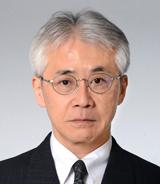
President Shingo Yano
It is a profound honor to have been appointed as the President of the 49th Annual Meeting of the Japanese Society for Transplantation and Cellular Therapy (JSTCT). I am deeply humbled by the responsibility of steering this annual meeting, which boasts a long and distinguished tradition.
My journey with hematopoietic cell transplantation began in 1991, the same year the Japan Marrow Donor Program was established. In those days, undergoing transplant medical care was truly akin to navigating a ship through rough and stormy seas for patients. Donor options were far more limited than they are today, and patients faced post-transplant complications, such as graft-versus-host disease (GVHD), viral infections, and fungal infections. Consequently, transplant-related mortality rates were significantly higher than they are now. Complications frequently became severe, and I have experienced the frustration of being unable to provide adequate treatment on countless occasions.
However, transplant medicine advanced thanks to a combination of our predecessors’ tireless spirit of inquiry, the advent of CMV antigen testing, the development of new antifungal drugs, and the refinement of HLA allele analysis. Each of these incremental steps has transformed hematopoietic cell transplantation—once a “life-or-death treatment”—into a “standard of care.”
Yokohama, the host city for this conference, is a city rich in “pioneers” who have long been quick to embrace foreign cultures and have supported Japan’s modernization. The theme of this conference, “Creating the Future,” embodies a strong desire to create new value that transcends existing frameworks while honoring our traditions, just as this city has done.
For this annual meeting, I would like to emphasize two key perspectives. The first is to deeply learn from and share the wisdom and passion of the pioneers who built the foundation of transplant medicine. Learning from history—understanding why a specific treatment was developed—is nothing less than acquiring an unwavering navigational chart to forge the future. The second is to use that roadmap to “create” a new treatment system together with the next generation of researchers. By integrating innovative technologies—such as immunotherapy and genomic medicine—with transplant medicine, we aim to set the standard for the next quarter-century right here in Yokohama.
In this city of Yokohama, where many young people once crossed the oceans filled with hope, it is my sincere hope that the experiential wisdom of veterans and the creativity of the younger generation will intersect, allowing us to welcome a new dawn in transplant medicine together.
I look forward to your active participation and to engaging in passionate discussions with all of you.